

Industry: E-Commerce
Your shop is generating revenue. But do you know which channel actually drives it?
You invest in Google Shopping, Meta Ads, perhaps newsletters. Revenue is coming in - but you can't say which euro generates which revenue. ROAS numbers appear in the report, but after returns and shipping less is left than expected.
Does this sound familiar?
Three patterns we see in practically every online shop before we start working.
Is your ROAS real profit - or just revenue?
What we deliver for e-commerce companies
From pharmacy shops to sporting goods - measurably more revenue since 2010.
We have been looking after e-commerce companies for over 15 years. From niche shops with 500 products to international brands. What they all have in common: they want to know which euro generates which revenue - not reach, not clicks, but real, measurable return.
Revenue doubled in 24 months (cosmetics client)
ROI from 2:1 to 6:1 in 120 days (sports shop)
Conversion rate from < 1 % to > 5 % (cosmetics manufacturer)
Annual revenue built from scratch (online pharmacy)
How it works
In 90 days your growth system is in place. Verifiably.
Week 1-2: Foundation
Strategy workshop (90 min): which products have the highest margin? Who is your most profitable customer? Where are you losing money without noticing?
In parallel: clean up tracking, audit product feed, analyse competitors, calculate real ROAS (not the one from the dashboard).
Week 3-6: Build
Google Shopping restructured (top sellers separated, margin killers out), Meta Ads with dynamic product ads, remarketing for cart abandoners.
Landing pages for your strongest categories. Budget where it works.
Week 7-12: Optimisation
A/B tests on creatives and landing pages. Feed optimisation: titles, descriptions, categories.
Bid strategies optimised on real contribution margins, not on revenue. Automated reporting that shows you in 30 seconds what is working.
No lock-in: Everything belongs to you. Google Ads, GA4, Tag Manager and Meta run in your own accounts and stay there.
Pitfalls - what most get wrong
6 mistakes we see in e-commerce companies again and again
Who this works for - and who it doesn't
✓ Good fit
- ✓Online shop with running revenue - The shop is already generating orders, you want to lever up the potential.
- ✓At least €2,000/month ad budget - Recommended €3,000+. Only then do campaigns deliver solid data and can be scaled cleanly.
- ✓Willingness to manage the product range with data - Budget flows where margin and demand meet - not evenly across all products.
- ✓Decision-maker who can approve within 48 h - Performance marketing lives on speed. Long approval loops kill campaigns.
× Not a fit
- ×Shop just launched, without product-market fit - First it must be clear that customers buy. Marketing amplifies what works - it doesn't solve product problems.
- ×Dropshipping shops with cent-level margins - If nothing is left after returns and ad costs, there is nothing to optimise.
- ׄI want to hit Amazon #1 with €300 a month“ - That doesn't reflect market reality. Anyone who seriously wants to scale needs real budget.
- ×Expectation of 1,000 orders in week 1 - A system needs learning time. Time pressure as a substitute for strategy destroys the setup.
Frequently asked questions
Which shop systems does Nordsteg support?
How quickly will I see results?
Do you also do SEO for online shops?
Can I maintain the product feed myself?
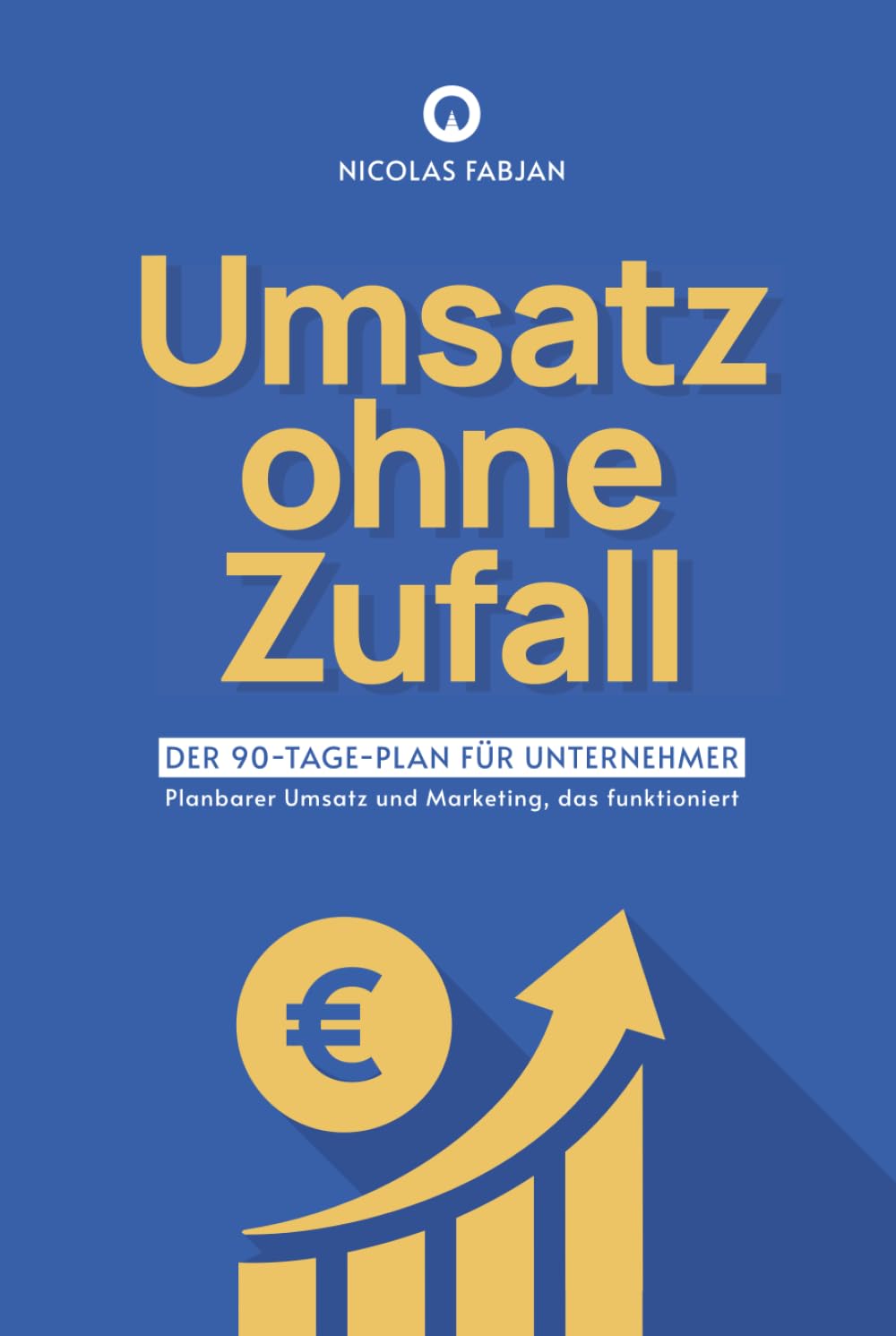
Not ready to talk yet?
Understand how we think first - in book form.
"Umsatz ohne Zufall" is the method behind our results. Written by Nicolas Fabjan from 15 years of practice with over 400 companies. Not a theory book - but the concrete plan we apply with every single client.
Every participant of a strategy call receives the book personally signed by post.
Ready for a shop that knows which euro drives what revenue?
In a free 30-minute call we take a look at your shop and show you where the biggest lever lies.
No obligation. Honest. No sales pressure.
As a thank you for joining: Every participant receives „Umsatz ohne Zufall“ - the book by our managing director Nicolas Fabjan - personally signed by post. No purchase, no obligation. Even if we don’t end up working together.